Warsaw
I was always going to end up here.
There is a particular kind of clarity that only arrives through displacement. Warsaw brought me not what I came for, but something more valuable: the realisation that my practice is pulling me eastward, toward Japan, toward a different kind of dialogue with the work.
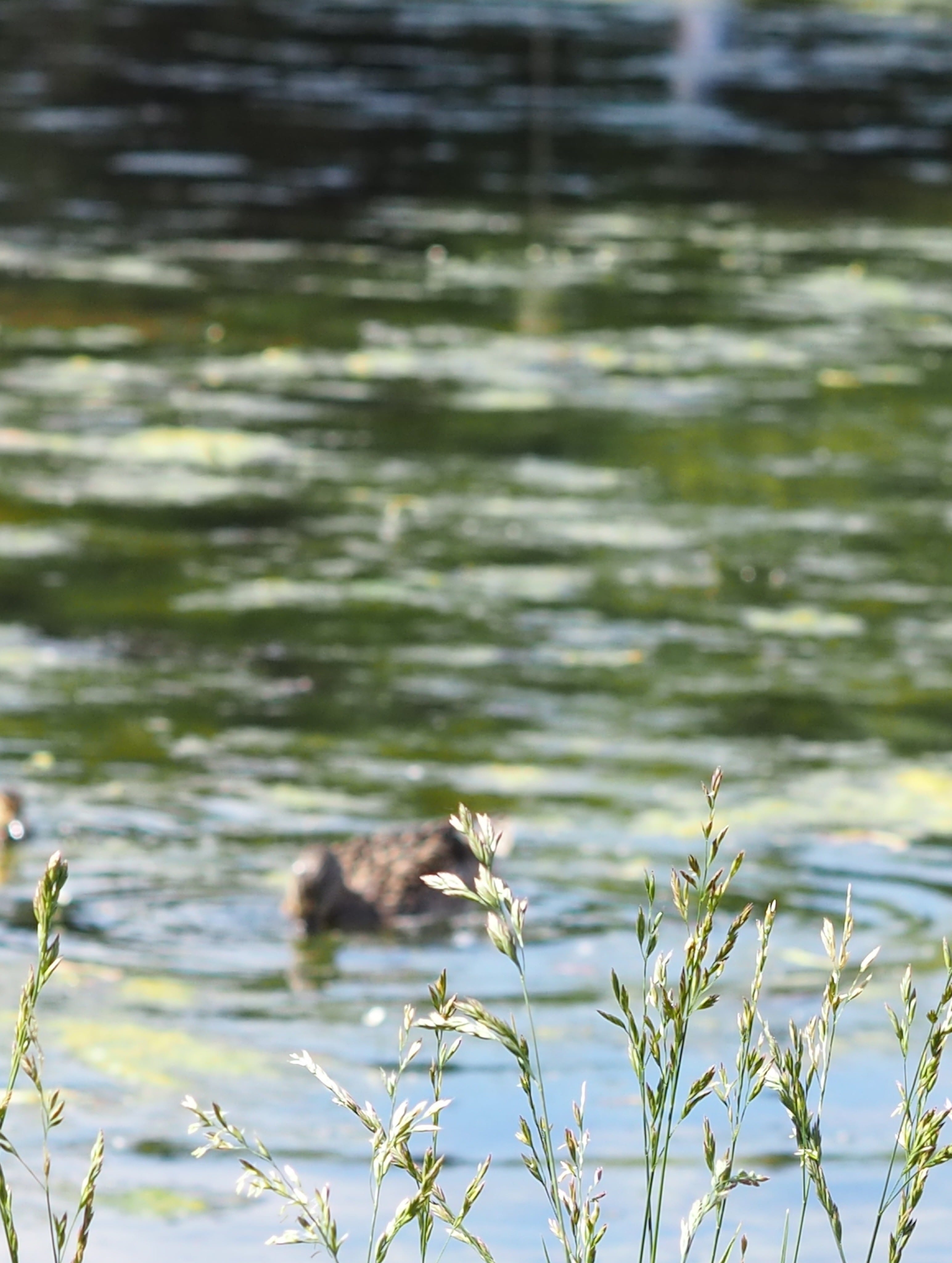
I move by instinct. There is something visceral in how I navigate my path, an internal compass that rarely announces itself until I am already somewhere unexpected, already changed. I reached out to gallerists here. One responded. And yet I found myself more drawn to a watercolour made quietly in a park than to any institutional conversation. That tension tells me everything I need to know.
The work itself is demanding to be completed. These pieces are not waiting; they are insisting. Whether atmospheric and weighted or airy and expansive, each exists in dialogue with the other, and it is precisely that contrast that drives the practice. I am interested in space as a lived experience: the way a room can hold both stillness and movement, how depth and lightness can occupy the same breath. I have always been more interested in building worlds than describing them, a preoccupation that traces back, honestly, to the illustrated universes of early fantasy card art, where entire cosmologies were compressed into a single image.
I do not read about these ideas. I make them.
Solitude is part of the process, not as absence, but as material. I have learned to recognise loneliness not as something to resolve, but as a particular quality of attention that sharpens the work.
I am going to Japan.
When Something Tries to Be Something Else
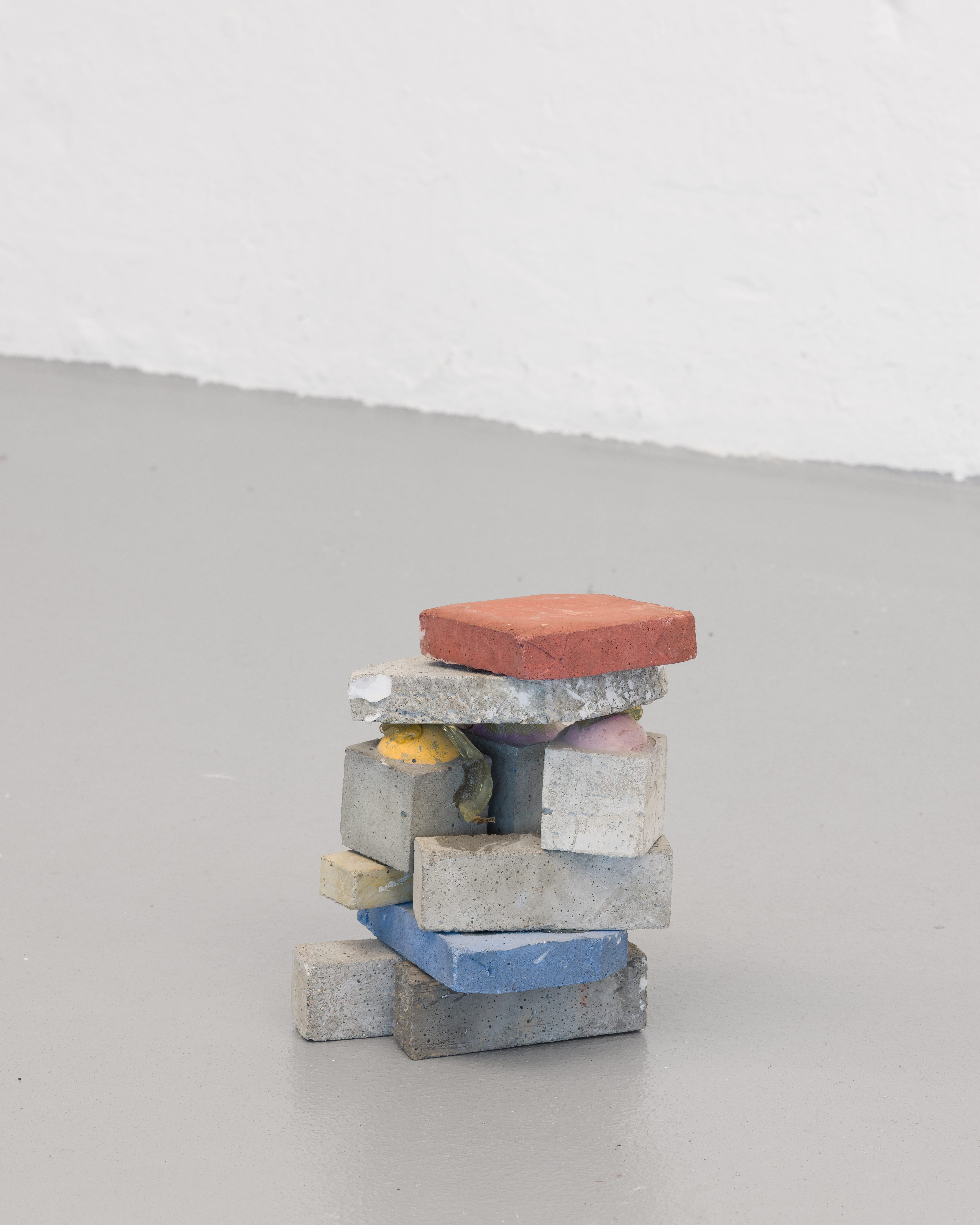
I have been thinking about why I work with sculpture.
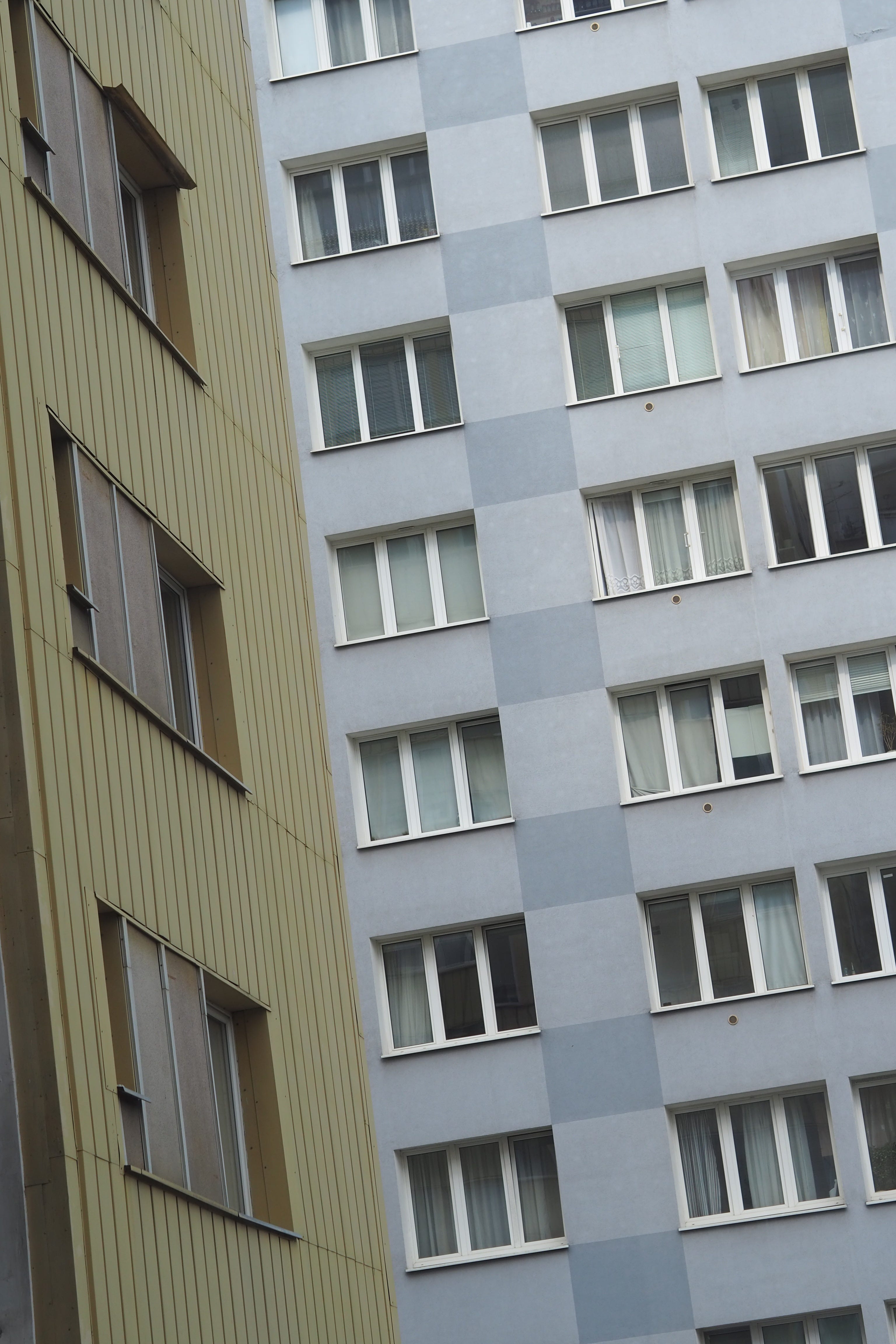
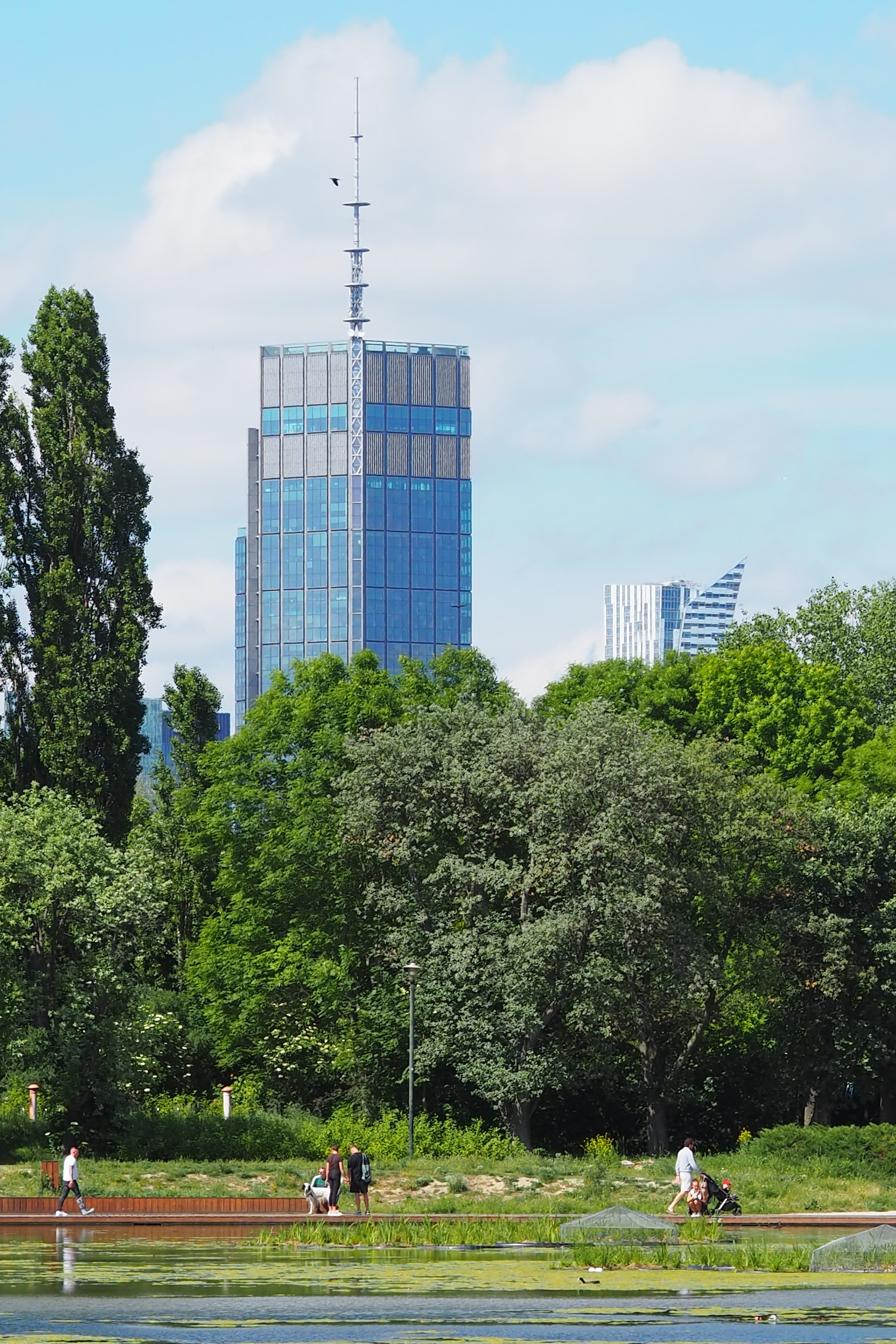
Warsaw pushed that question forward in a way I did not expect. The city is two things at once: a historic centre reconstructed from 18th-century paintings, an artist’s interpretation of what it once looked like, and right behind it a skyline of Soviet concrete and modern glass that never pretended to remember anything. No attempt at continuity. Just two different answers to the same catastrophe standing next to each other.
That tension is something I recognise in my work.
My sculptural practice emerges from a persistent impulse that has been with me since early childhood: the desire to construct worlds. As a child, I built architectures and small installations for my favorite toys, creating environments that allowed for interaction, narrative, and imagination. In many ways, my current work continues this instinct, though it has shifted into a more reflective and material inquiry.
For me, making sculpture is closely tied to memory and to a desire to catalogue emotional experiences through objects. I am interested in how forms can carry traces of feeling, association, and personal history, and how seemingly ordinary materials can become vessels for more elusive psychological states.
In a world where most objects are immediately recognisable and understood through their function, sculpture operates according to a different logic. It speaks through presence rather than utility, engaging the body before it engages language. I am drawn to the capacity of sculpture to generate meaning through physical encounter, allowing viewers to experience something that resists straightforward identification.
While abstraction in sculpture shares certain possibilities with abstract painting, it occupies space alongside us and therefore addresses the body in a distinct way. Its physicality creates a direct relationship between object, viewer, and environment, opening a space for intuition, memory, and projection.
My work often explores moments where forms appear to be in the process of becoming something elsewhere an object seems to aspire to another state, another identity, or another function. It is within this tension between recognition and transformation that I find the sculptural potential of an object.
I am currently developing a new body of work that continues these investigations, and I look forward to expanding this series in the coming months.
Paperwork
I hardly ever work with watercolor, but I've really gotten into it. I think it's such a beautiful thing to sit in a park and be completely romantic, creating a work on paper, or at least starting one.
I'm not actually sitting in a park in Warsaw painting the landscape. It's more about wanting to go to a park with my new photographer down here. We ended up having an interesting conversation. I find that getting out of the studio and starting something somewhere else is very inspiring.
I work intuitively and finish things quite consciously. I try to complete pieces that have the atmosphere I seek and need in each one.
Of course, there have to be different kinds of atmospheres, but my work has a consistent atmosphere that I need to achieve, something that appeals to my nervous system.
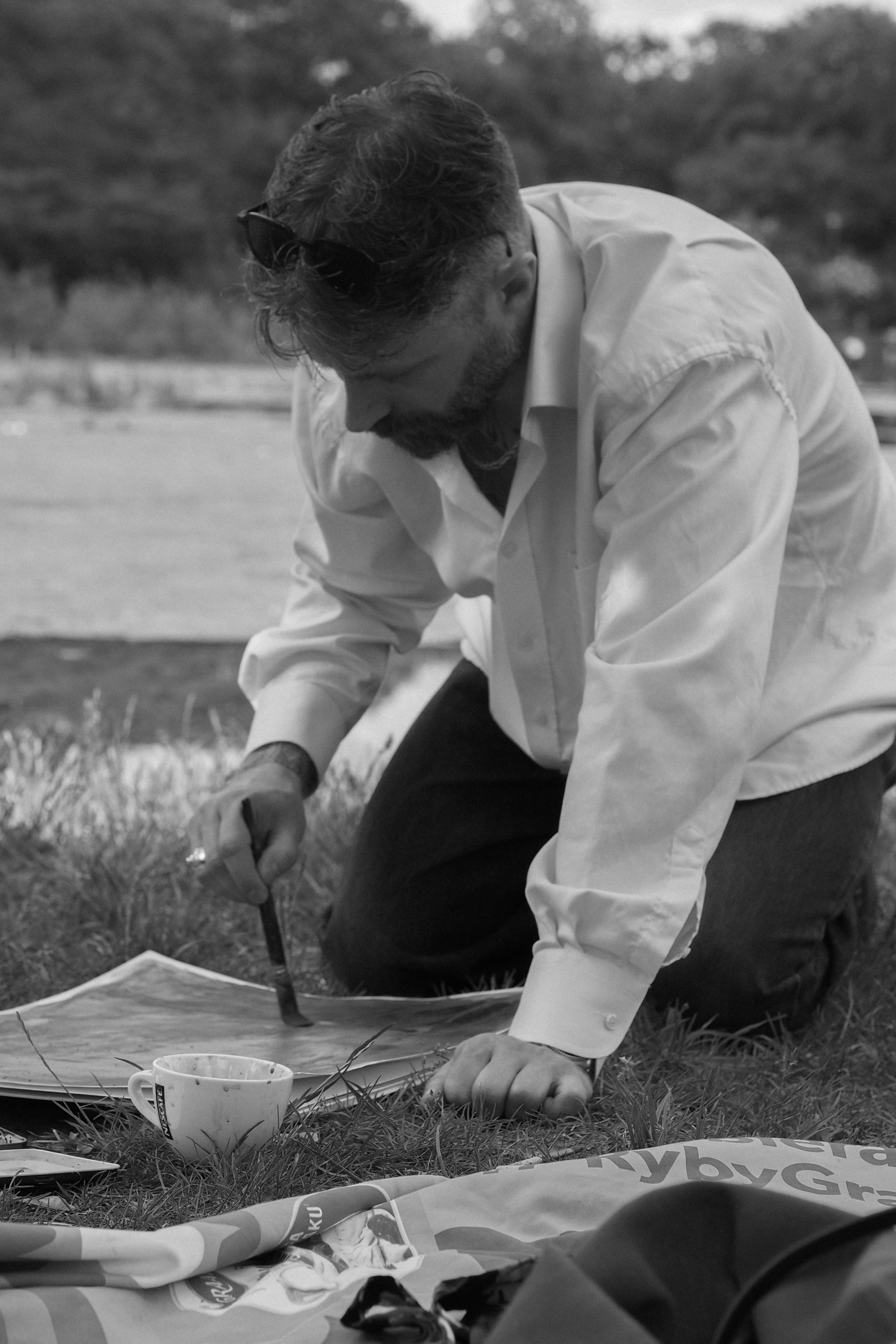
These are the kinds of works that have to engage with everything else happening in the spaces where they need to exist. It's a big challenge to create work when there are real stakes involved, and it's especially difficult to make pieces that feel alive, as if they carry a small pebble in the shoe, something slightly unresolved that keeps them present and alert.
So working on paper is a huge challenge for me. This piece has developed a background and, to some extent, a foreground, but I still need to work on finishing it.
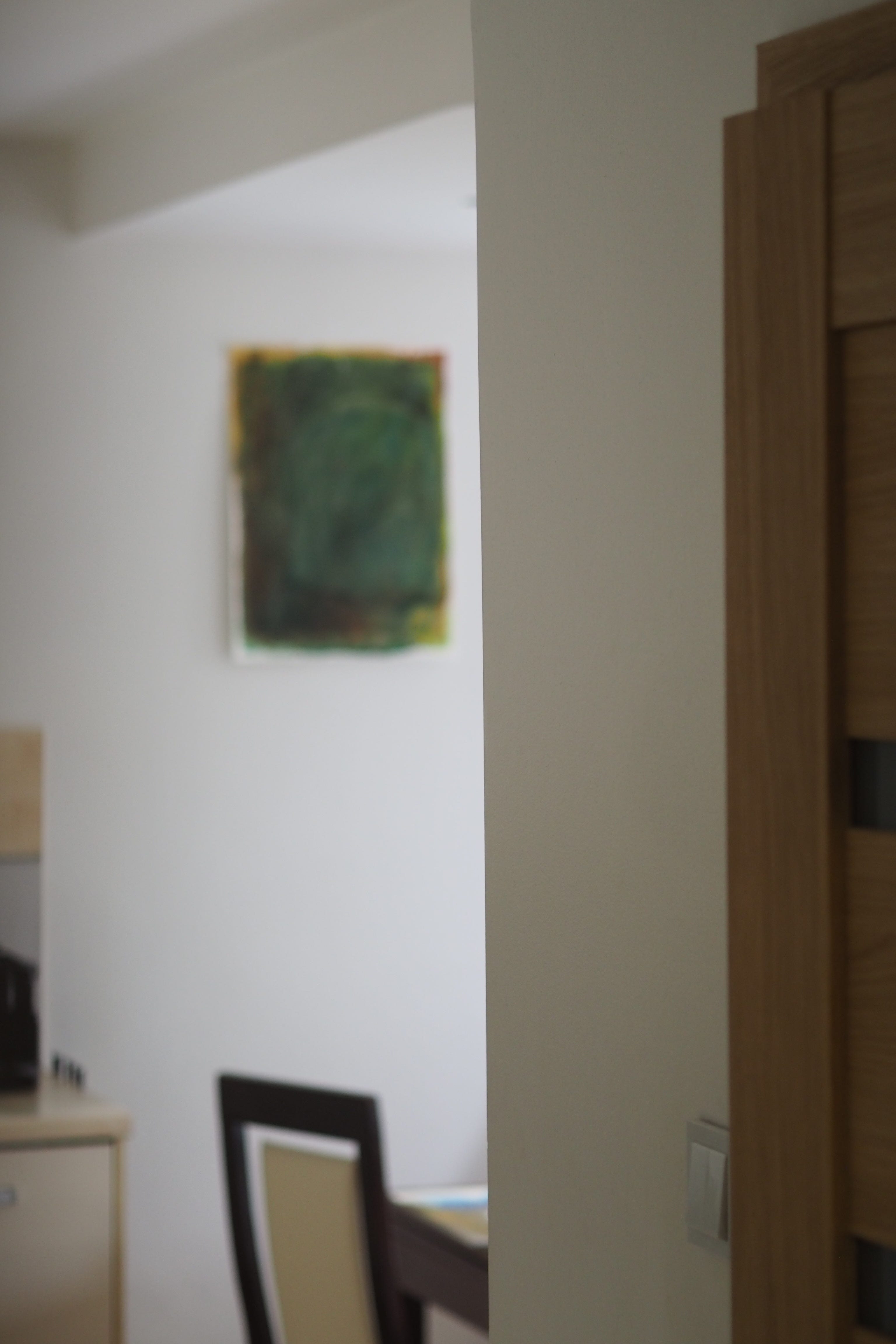
The photographer is coming to the Airbnb I have rented this weekend, before my stay ends on Tuesday 9th June. She will be shooting a series of photos in the apartment and I’m really looking forward to it.
Thank you for looking